How to Make a T-Blade Thruster
A complete build demonstration showing how a patent-era T-Blade design is assembled from raw materials.

About Exodus · Research Showcase
Exodus is developing propulsion technology intended to create measurable force through controlled electrostatic interactions rather than expelling onboard propellant.
Technical Overview
Read the EPT Mini White Paper for an overview of the Exodus Effect, the science and technology behind the program, potential applications, and the company’s business outlook.
Read the White PaperThe Propulsion Question
Traditional spacecraft propulsion relies on a chemical reaction that accelerates mass through a nozzle. Once the stored propellant is exhausted, maneuvering capability is limited.
Exodus explores a different platform: using interactions between electrostatic fields to produce momentum for spacecraft motion while drawing energy from electricity.
The Exodus Effect
The company describes the Exodus Effect as a repeatable and quantifiable process supported by controlled experiments, measured force data, published technical discussion, and third-party review.
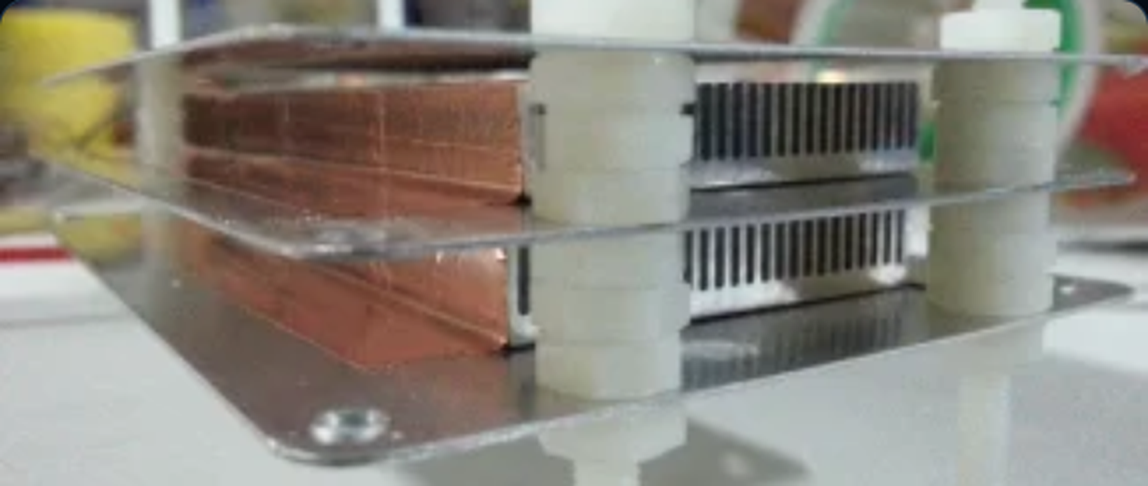
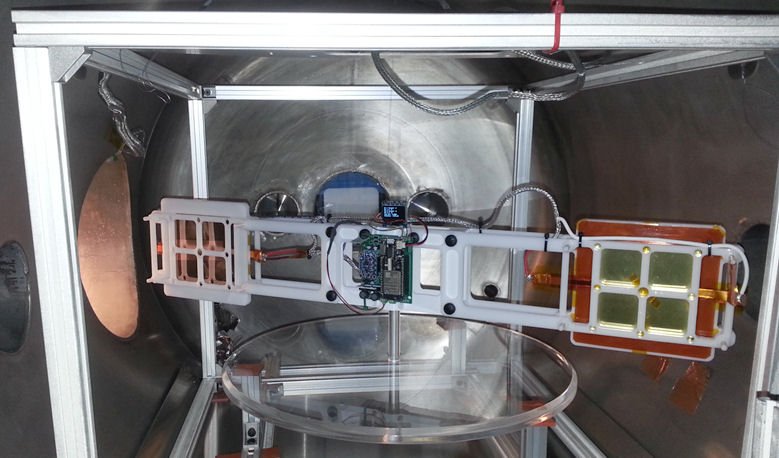
Development work includes T-Blade thrusters, rotation demonstrations, precision scales, and vacuum-chamber instrumentation used to isolate and evaluate potential force signatures.
Research Showcase
Explore selected footage from the development and evaluation of Exodus T-Blade propulsion devices.
A complete build demonstration showing how a patent-era T-Blade design is assembled from raw materials.
A precision-scale demonstration documenting the measured weight response as the device is energized and de-energized.
Rotation footage from an early test configuration used to observe directional behavior and system response.
Archival footage from one of the earliest recorded T-Blade rotation demonstrations.
Community Feedback
Fans are taking ideas from the Exodus patent and putting them into practice. These videos show one community member building, testing, and refining a propulsion system inspired by the patented technology.
A community member shares a working propulsion system built from concepts presented in the Exodus patent, including the build and test process.
Watch on YouTubeA follow-up video from the same fan showing additional testing, refinements, and continued experimentation with the propulsion system.
Watch on YouTube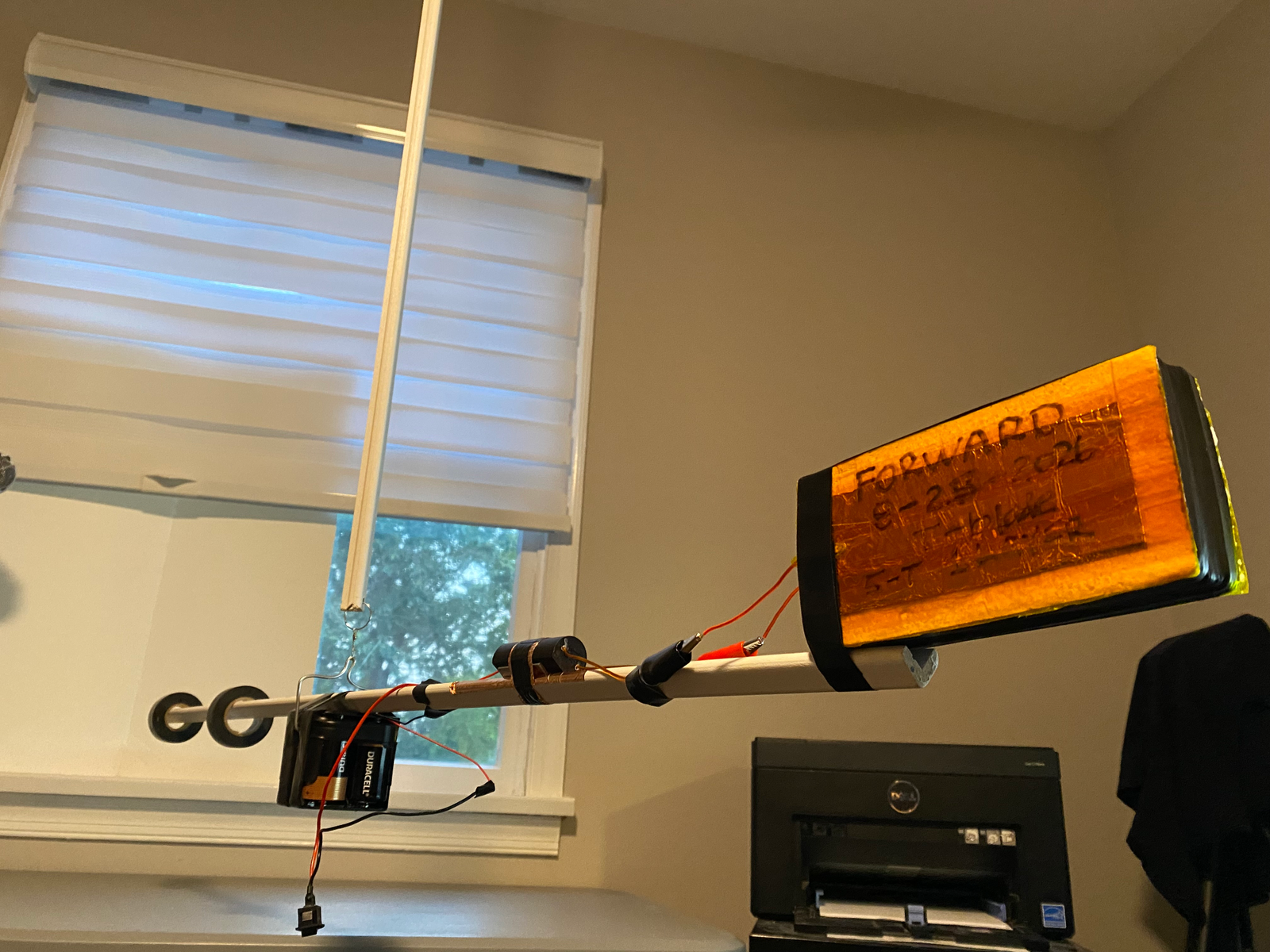
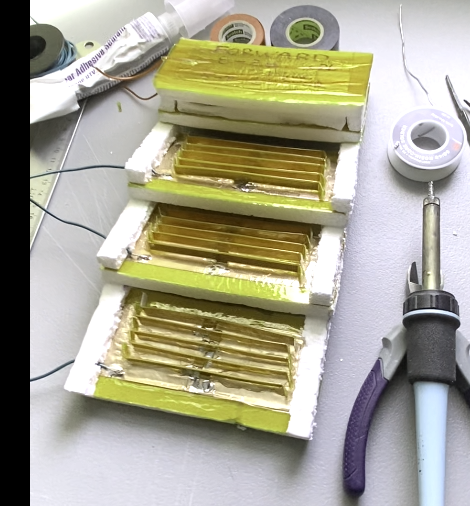
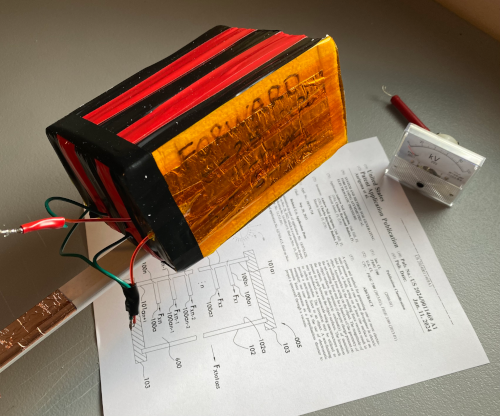
A well thought out and constructed T-Blade thruster made from the patent. It consistently produced 1200 µN of thrust both upward and downward as measured against a digital coin scale. Rotations were also observed from a suspended assembly.
Watch the Test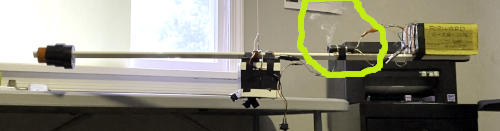
This is a 1200 µN T-Blade (styrofoam) thruster on a stick suspended from a rigid support and fitted with a swivel. The idea was to reduce the counter-torque generated by a suspension string by replacing the string with a solid support and a low-friction swivel.
The approach did not work. We have also tried variations of this idea over the years without success. For our rotators, the answer has continued to be a thin, strong string. We enjoy seeing experimenters test ideas for themselves and hope those efforts lead to new innovations.
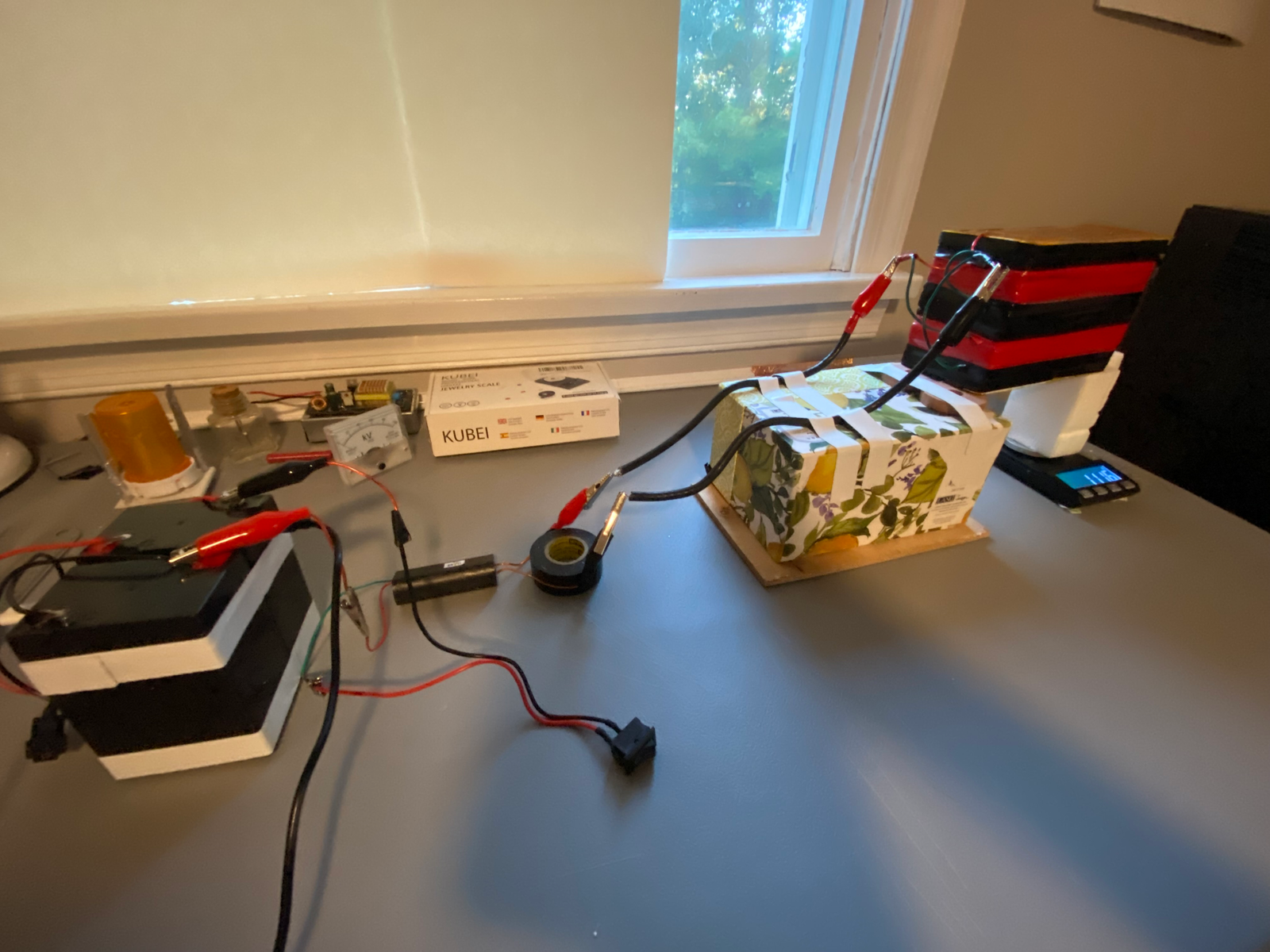
The new multi-stack thruster is in shakedown testing. The Part 3 testing-results video is included above.